
Parking Myths and Facts
Myth or Fact?
Test your knowledge...
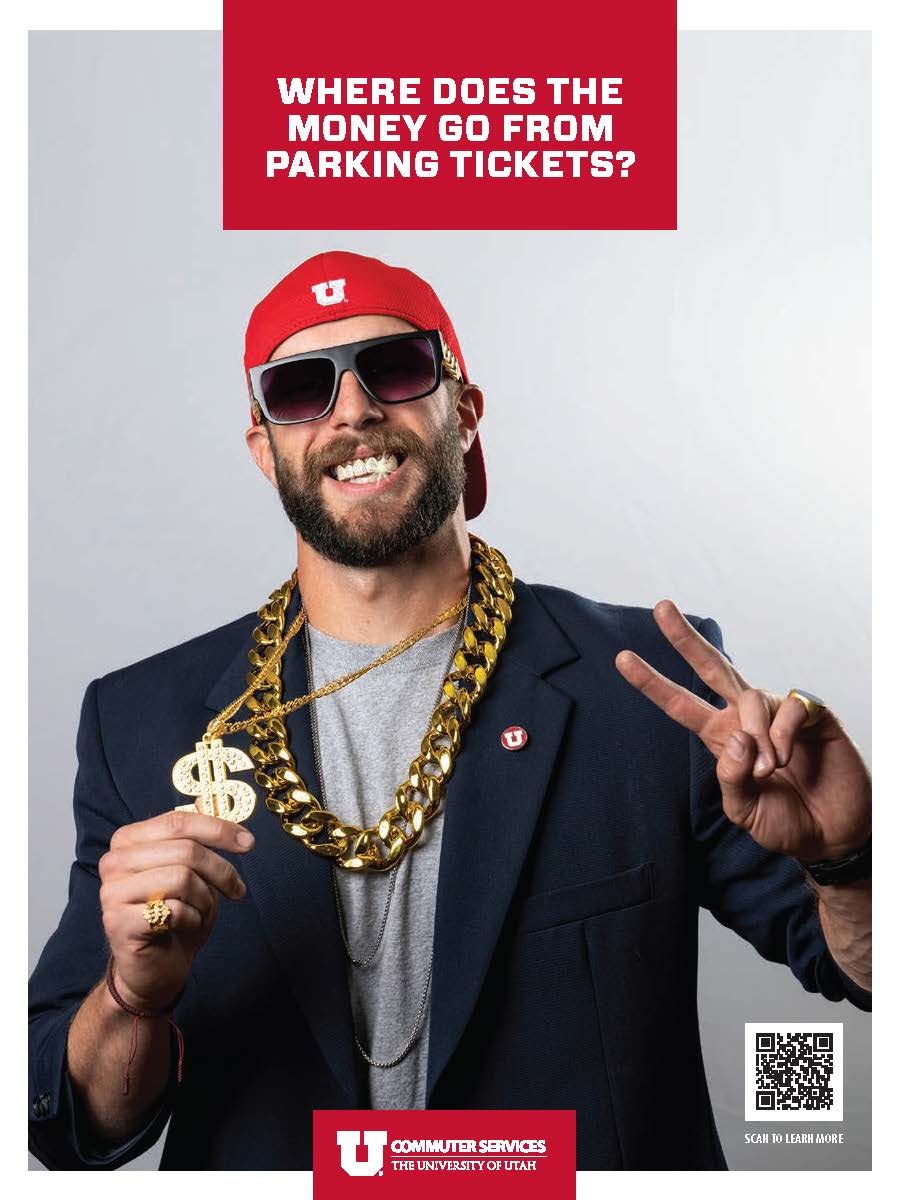
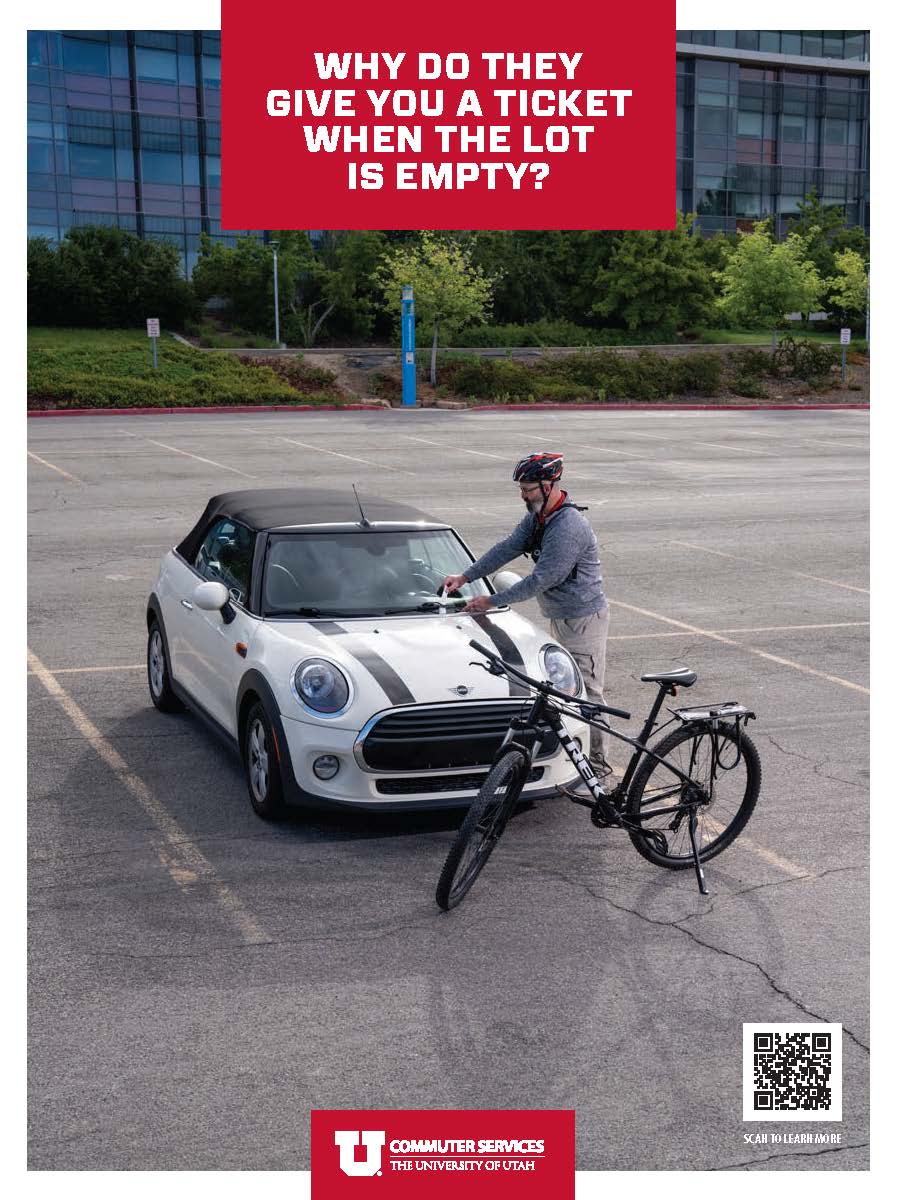
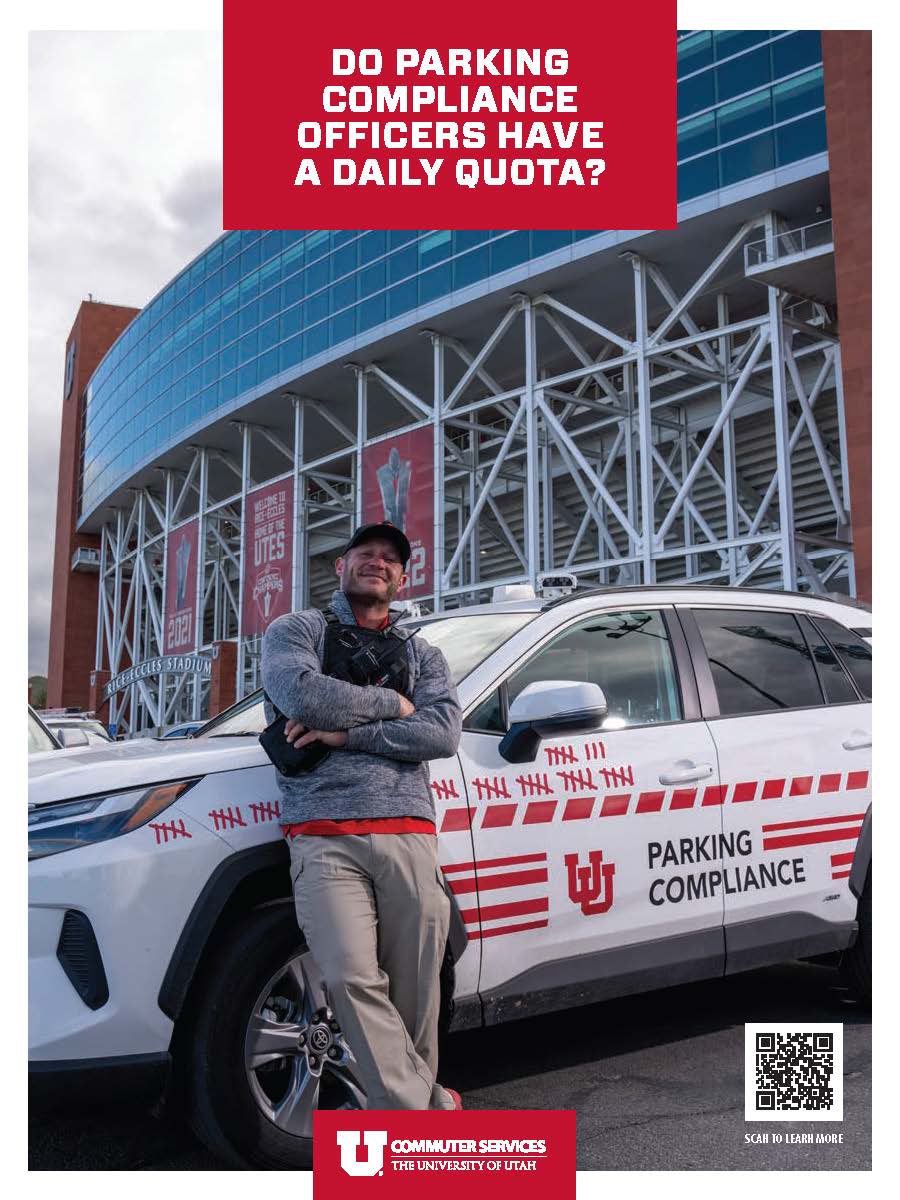
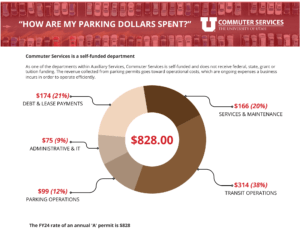
Commuter Services generates a minimal amount of money from parking tickets. Less than 5% of our total operating budget comes from ticket revenue. We don’t write tickets to generate revenue, we write tickets to change parking behavior and encourage adherence to the parking rules. The revenue that is generated from parking tickets goes back into the parking system to help fund the maintenance of parking lots on campus, and to fund programs such as the campus shuttle system and the SafeRide program.
Please view the below graphics for a detailed breakdown of how parking dollars are spent. For more information about how Commuter Services impacts campus, please visit our Transportation Dashboard.

In order to encourage adherence to campus parking rules and regulations, parking lots are enforced consistently regardless of occupancy levels. Commuter Services monitors occupancy rates in parking lots across campus regularly, and makes adjustments to parking designations to better use underutilized lots. One example is the U after 3:00pm program, which allows U permits to park in most A permit areas after 3pm.
This is a MYTH!
No, Compliance Officers do not have a daily ticket quota. Compliance Officers are paid a flat, hourly rate, regardless of the number of citations they write during their shift.
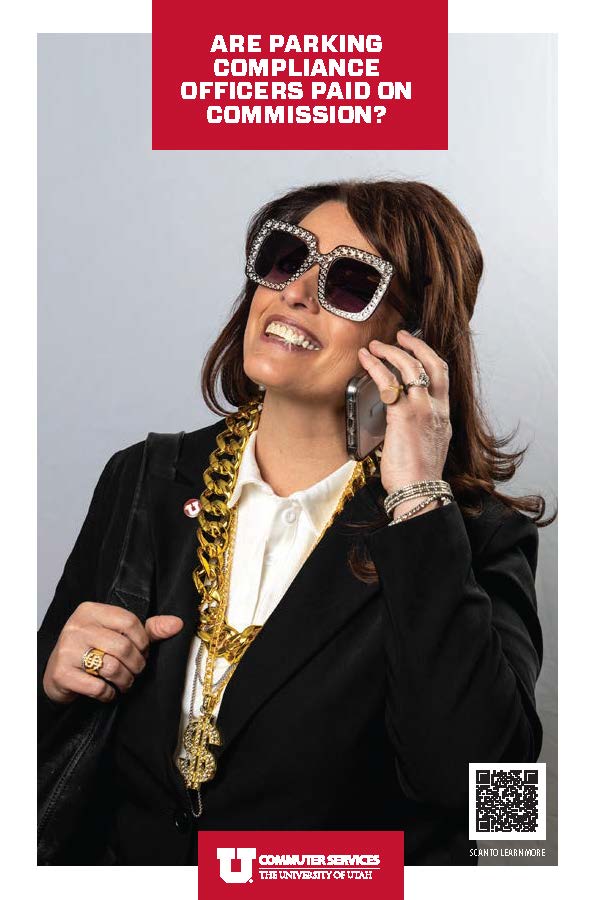
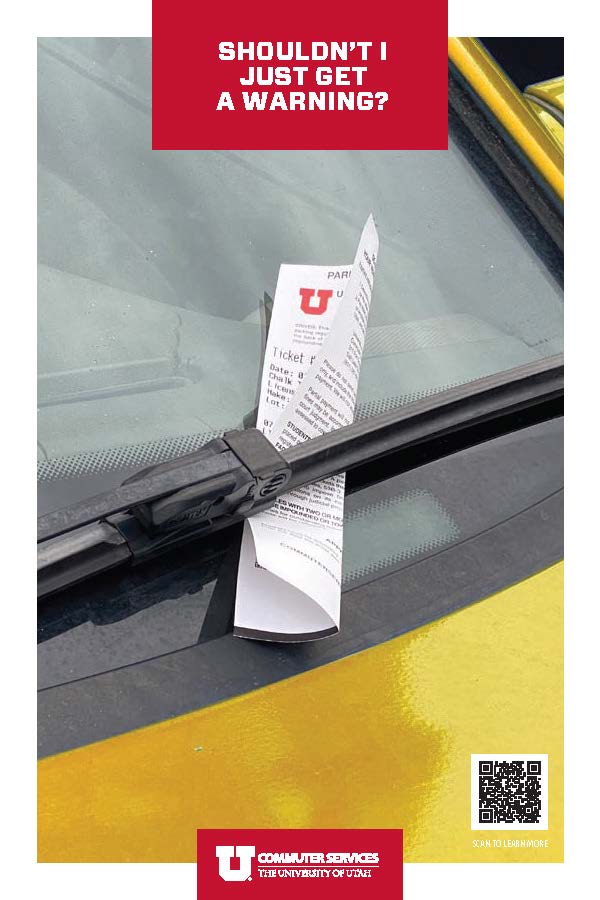

No, Compliance Officers are not paid on commission and do not have daily ticket quotas. We write tickets to educate drivers, change parking behavior, and encourage adherence to parking rules and regulations, not to generate revenue. In general, parking citation revenue makes up less than 5% of our total operating budget.
Warnings are written on a case-by-case basis, depending on the parking infraction.
Entrance signs and individually posted signs within the lot notify you of what is needed to park in that specific area. Parking guidelines and regulations can be found on our website.
Parking is enforced year-round except for University-recognized State Holidays. Parking is never allowed in fire lanes, bus lanes, undesignated areas (curbs, grass, etc.), red curbs, crosshatch areas, fire lanes, or as noted by signage, and is enforced 24/7.
Commuter Services is currently working to implement a campus parking diversion program, which will allow drivers to reduce or waive certain parking tickets by completing an online training course.
While parking on campus is limited, we do have parking availability. Parking lots located on the interior of campus are frequently at capacity during peak hours, however we have available stalls in the periphery lots on campus. Rather than circling around the interior lots on campus waiting for a stall to become available, drivers can generally save time by parking in one of the periphery lots on campus and riding the campus shuttle to their destination. Ahead of Fall Semester 2025, Commuter Services will introduce a live parking occupancy system on campus. This new system will allow drivers to view the amount of stalls available in various parking lots on campus through an app on their phone. Using this real time data drivers can then navigate to the parking lots which have availability, and avoid parking lots which are already at capacity.
Although it may be hard to believe, Commuter Services does not exist solely to hand out parking tickets. In addition to managing and maintaining all parking lots, shuttle routes, and more, Commuter Services provides various resources to help those living on campus, traveling to campus, and traveling away from campus. Helpful resources include student and staff UTA passes, electric vehicle charging, SafeRide, SPIN Scooters, special event services, campus bike shop, and many more.
